Zoomed Out, Burned Out, Still Figuring It Out. What did the sounds of silence do to us
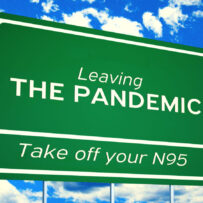
It’s been five years, and some people shrug. While others are scared of going outside. The COVID-19 pandemic was a collective trauma. It disrupted daily routines, heightened anxiety, and fundamentally challenged how we think about safety, belonging, and meaning. People became walking infections. It wasn’t safe to go outside. From this lens, the pandemic has reshaped our psychological landscape in a lasting way. So how are we different from who we were and who we should have been?
I lived too work…..
Work is not just about paying the rent—it is deeply tied to identity and self-worth. During the pandemic, the abrupt shift to remote work forced people to renegotiate their roles and boundaries .And it wasn’t easy or simple. Some people lived alone and were isolated other than work activities. Others had a full house with children that needed attention besides their boss There was role conflict and role strain, where overlapping responsibilities (parent, employee, caregiver) can create stress. Today, people are less willing to sacrifice well-being for work. The pandemic highlighted the strain of blurred boundaries As a result, flexible schedules, hybrid models, and remote options have become the new expectation rather than a perk.
At the same time, many experienced what psychologists call post-traumatic growth—positive change that arises from adversity. By reflecting on what matters, individuals redefined productivity, prioritized balance, and often sought work that aligned more closely with their values. People overworked, underworked or quit
Mental Health in the Spotlight
Rates of anxiety, depression, and burnout surged during the pandemic, highlighting what public health experts had long warned: mental health is inseparable from overall health. From a psychological standpoint, the normalization of conversations around therapy, stress, and self-care represents a cultural shift.
Connection
People are social creatures. Social baseline theory suggests that we are wired to regulate stress and emotion through connection with others. The isolation of lockdown disrupted this regulation, intensifying feelings of loneliness and disconnection. Many people are acting with a renewed focus on meaning. Instead of returning fully to consumer-driven “busyness,” there’s a trend toward minimalism, slower living, and intentional spending. Movements around local food, sustainability, and community resilience have gained momentum.
Zoom!!!
Technology offered a bridge. Video calls, online communities, and even teletherapy kept relationships alive. Still, these interactions lacked the richness of in-person presence—nonverbal cues, shared environments, and physical touch that fulfill our attachment needs. And everyone talked over one another. Texting had its own problems when people didn’t understand if the comment was sarcastic and at times it exacerbated the loneliness. Now, many people are recalibrating: integrating digital convenience with the irreplaceable intimacy of face-to-face relationships.Values, Meaning, and CommunityPsychologists also observed a surge in prosocial behavior—mutual aid groups, neighborhood support, and community care. These acts reflect our innate drive for belonging, Adversity, paradoxically, reinforced the importance of community bonds.
Collective Healing: An Unfinished Process
Resilience theory emphasizes that adaptation is not uniform. Some people bounce back, while others struggle with chronic stress or unresolved grief. Today, we see both: Greater openness to therapy, more intentional living, and healthier boundaries. Persistent anger, mistrust, and division that continue to strain communities
The pandemic has shown us that while people are capable of growth, we are also vulnerable to polarization when fear and uncertainty run deep. Healing, therefore, is not just about individual resilience — it requires rebuilding trust, fostering empathy, and creating spaces where difference can be tolerated without hostility.
We are living in a paradigm shift moment: more aware of our need for connection and meaning, yet still wrestling with the fractures that the pandemic exposed. The future depends on how we navigate both sides of this psychological aftermath.